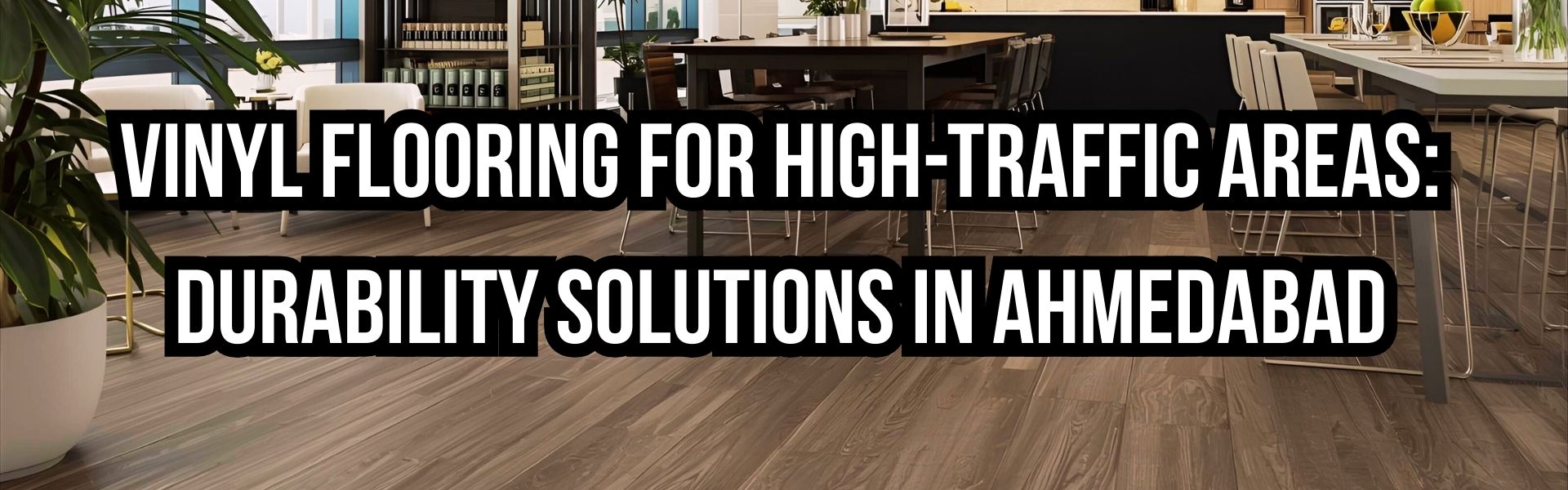
Have you ever walked into a bustling hospital corridor or a busy warehouse and wondered what keeps the floors looking pristine despite constant foot traffic? In high-traffic areas, the choice of flooring can make all the difference between a space that’s safe, efficient, and long-lasting versus one that’s prone to wear and costly repairs. As experts with years of experience in epoxy and vinyl flooring solutions, particularly for healthcare and critical infrastructure projects, we often guide clients through these decisions. Let’s explore vinyl flooring and why it might be the ideal fit for demanding environments like those found in Ahmedabad’s vibrant neighborhoods and industrial zones.
Vinyl flooring has evolved significantly, offering durability and style that suits both residential homes in areas like Bodakdev or Vastrapur and industrial setups in Vatva or Naroda GIDC. But what exactly draws architects, homeowners, and facility managers to this option? By examining its features, applications, and comparisons, you’ll gain insights to determine if it aligns with your needs.
Understanding Vinyl Flooring Basics
What is vinyl flooring, and how does it stand up to daily demands? Vinyl flooring is a resilient, multi-layered material typically made from polyvinyl chloride (PVC), designed to mimic natural surfaces like wood or stone while providing superior toughness. Unlike traditional options, it includes a wear layer that protects against scratches and stains, making it a go-to for spaces where reliability matters.
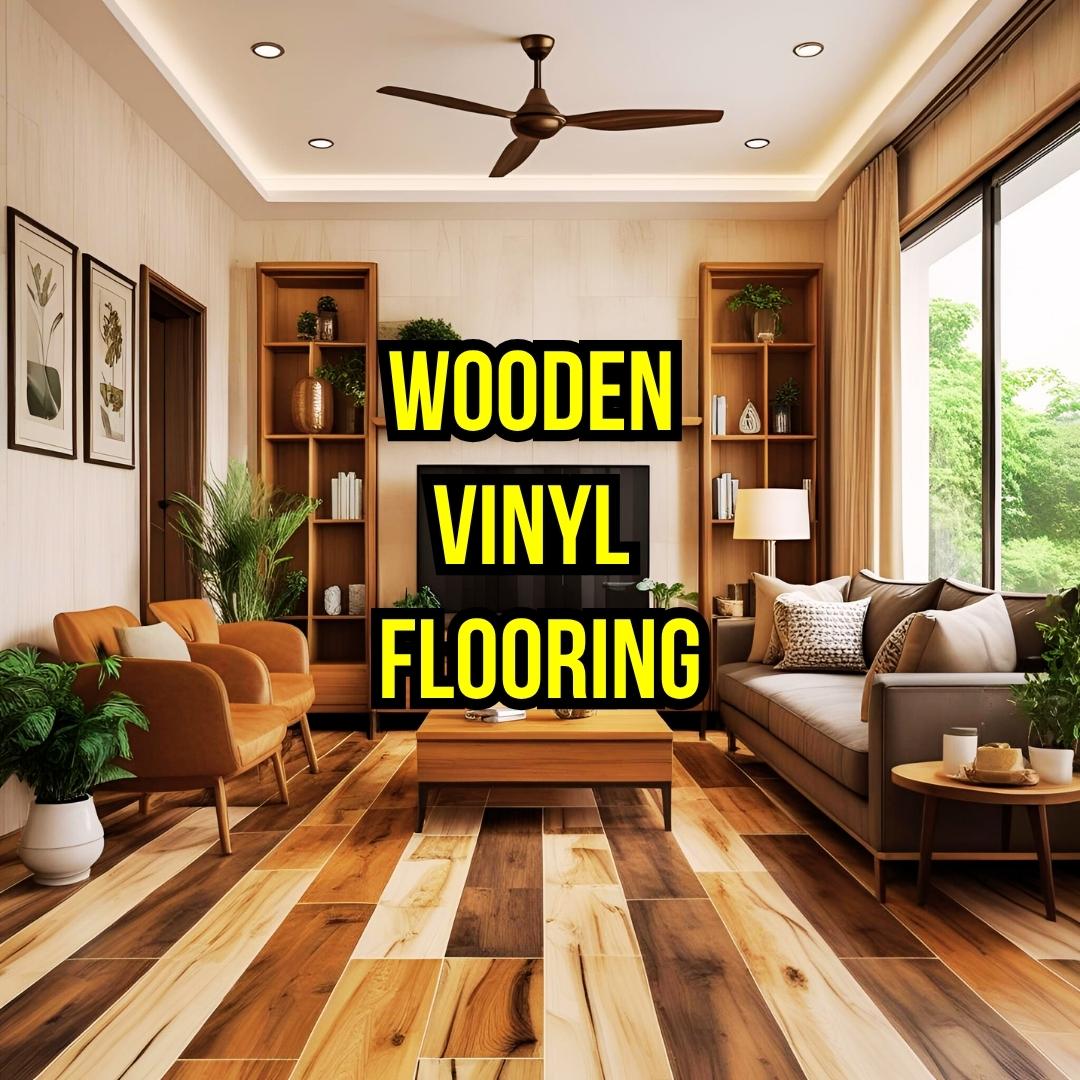
Consider luxury vinyl flooring—have you thought about how it combines aesthetics with functionality? This premium variant, often called LVT (luxury vinyl tile) or LVP (luxury vinyl plank), features high-definition prints and textured surfaces for a realistic look. It’s particularly popular in high-traffic settings because it resists moisture and heavy use, ideal for Ahmedabad’s humid climate and fast-paced lifestyles in locales like Satellite or Navrangpura.
As you reflect on your space, ask yourself: Does my flooring need to handle spills, heavy equipment, or constant movement without compromising on design? Vinyl’s composition ensures it does, but understanding its types will help you choose wisely.
Types of Vinyl Flooring for Demanding Spaces
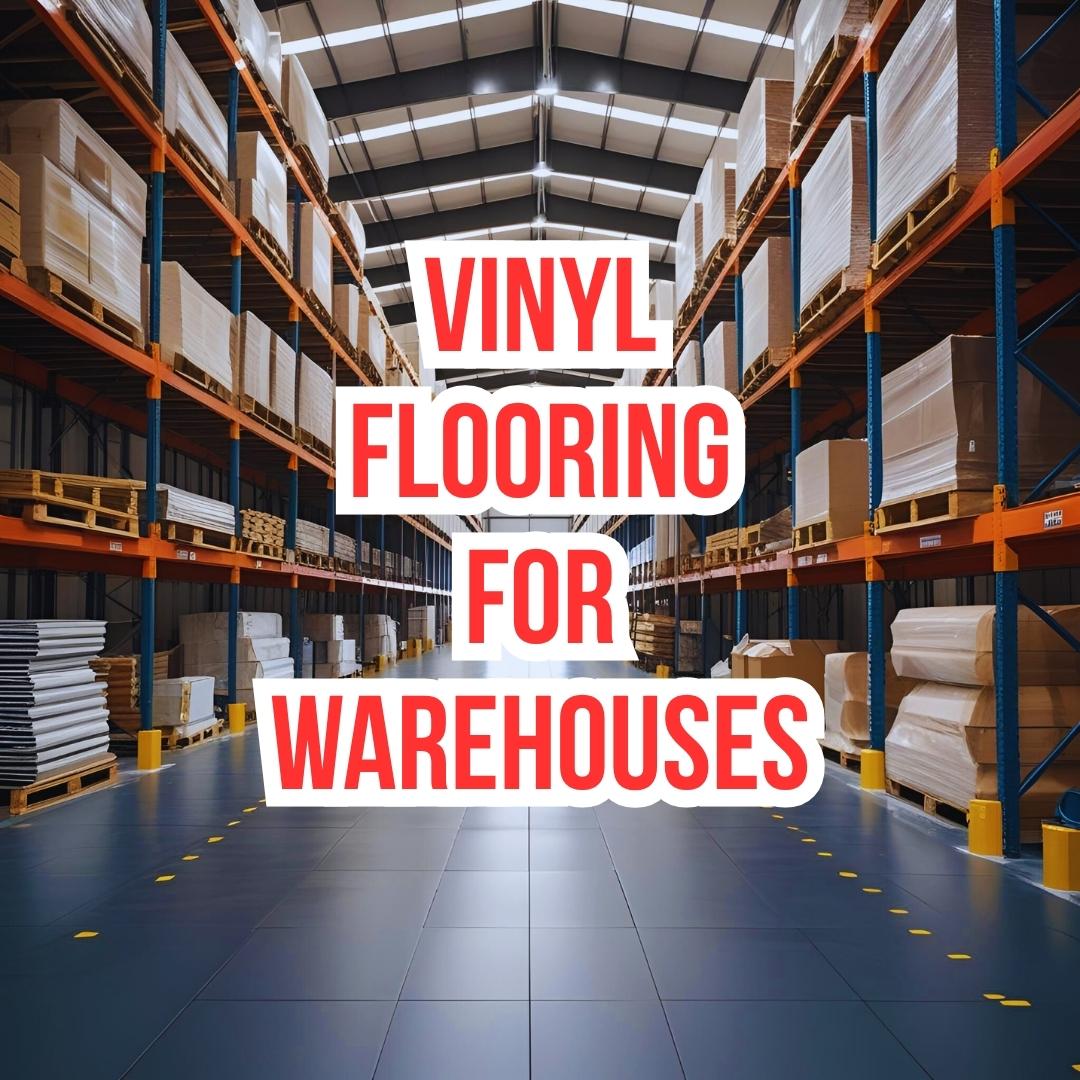
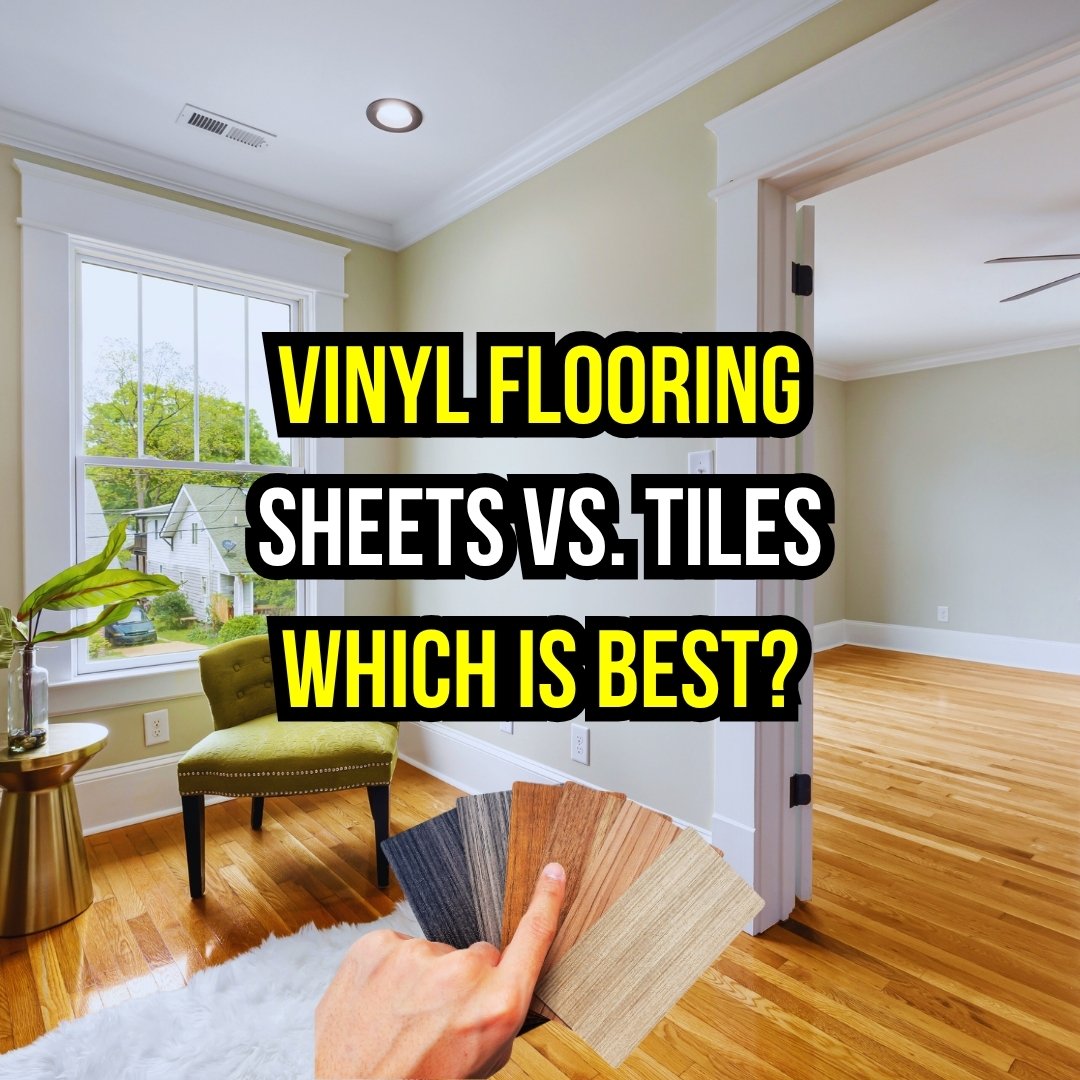
When selecting vinyl flooring, variety is key. Sheet vinyl flooring comes in large rolls, perfect for seamless installations in expansive areas like warehouses in Changodar, home to pharma giants such as Aurobindo Pharma and Novartis. This format minimizes joints, reducing dirt accumulation—a crucial factor in clean environments.
Then there’s vinyl flooring tiles, which offer modular flexibility. These PVC vinyl flooring pieces snap together easily, allowing quick repairs in high-traffic spots. Imagine a busy pathology lab in Shahibaug where a damaged tile can be replaced without disrupting operations.
For a touch of elegance, luxury vinyl flooring elevates the game with thicker construction and enhanced durability. It’s suited for residential epoxy flooring alternatives in homes across Bopal or Thaltej, or even in commercial settings like food and beverage units in Sarkhej, near Zydus Cadila facilities.
Which type resonates with your project’s scale? By considering traffic levels and maintenance needs, you can pinpoint the best fit.
Why Vinyl Flooring Excels in High-Traffic Areas
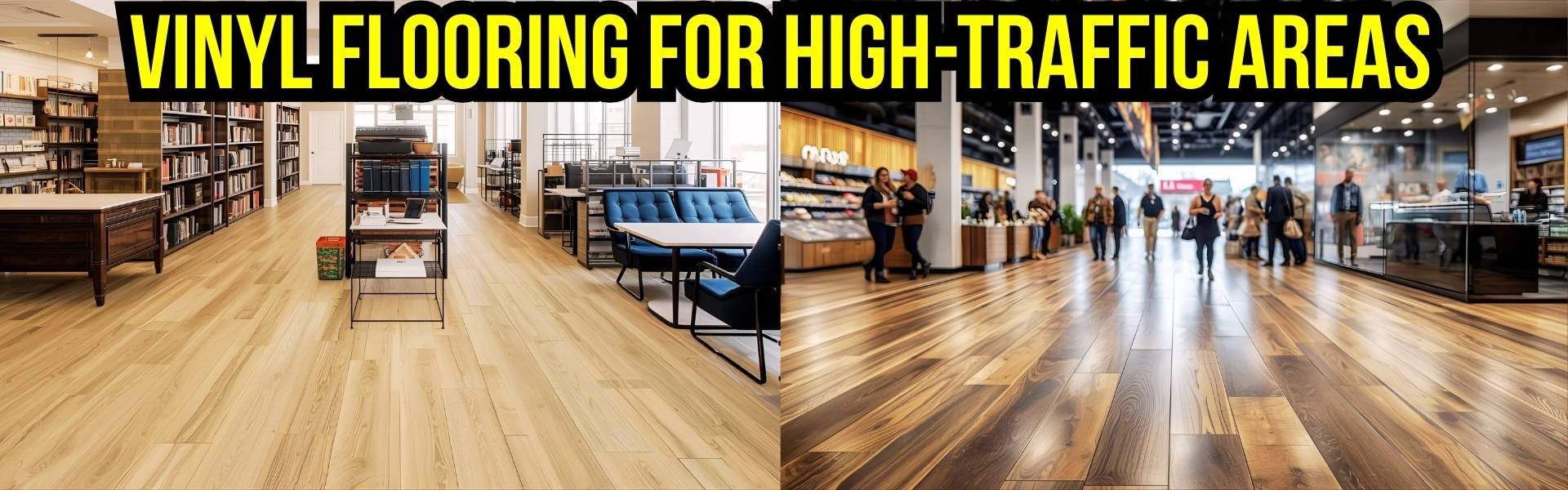
Picture a scenario: A warehouse manager in Odhav dealing with forklifts and foot traffic, or a homeowner in Memnagar hosting family gatherings. What flooring withstands this without fading? Vinyl flooring shines here due to its inherent strengths.
First, durability tops the list. Engineered with multiple layers, including a robust wear layer, it resists dents, scratches, and abrasions—essential for high-traffic zones. In fact, current trends in 2025 emphasize wide plank designs and herringbone patterns that not only look modern but also hold up under pressure.
Moreover, is vinyl flooring waterproof? Many variants are, thanks to their synthetic core, making them ideal for areas prone to spills, like hospital modular OTs in Sabarmati or IVF labs in Naranpura. This feature prevents warping, unlike some natural materials.
Ease of maintenance is another draw. A simple sweep and mop keep it spotless, saving time and costs in busy environments. For B2B clients like pharma QA/QC teams in Moraiya, near Intas Pharma, this translates to fewer downtimes.
But let’s reason together: If your space involves chemicals or heavy machinery, as in cosmetic factories in Santej with Cadila Pharma, does vinyl provide enough resistance? It does for moderate exposure, but for extreme conditions, pairing it with specialized coatings can enhance performance.
Pros and Cons of Vinyl Flooring: A Balanced View
Every material has its trade-offs—have you weighed them for your context? Let’s break down the pros and cons of vinyl flooring to foster a deeper understanding.
Pros start with affordability and versatility. Vinyl flooring cost typically ranges from ₹150–₹300 per sq. ft., making it accessible for both B2C homeowners in Vejalpur and B2B warehouse managers in Aslali. Its installation is straightforward, often DIY-friendly for smaller projects.
Durability in high-traffic areas is a major plus, with resistance to stains and low noise levels. It’s also comfortable underfoot, beneficial in educational labs in Gandhinagar or residential flats in Gurukul.
On the cons side, while tough, vinyl can dent under very heavy loads, unlike some alternatives. In ultra-high-traffic industrial settings, it might require more frequent replacements compared to harder surfaces.
Additionally, environmental concerns arise if not sourced sustainably, though 2025 trends highlight eco-friendly options with recycled content. Reflect on this: Does the long-term value outweigh potential drawbacks in your specific application?
Vinyl Flooring vs. Epoxy Flooring: Making the Right Choice
Often, clients ask: How does vinyl stack up against epoxy flooring for high-traffic areas? Both are resilient, but their strengths differ, guiding your decision based on needs.
Epoxy flooring, a resin-based system, creates a seamless, glossy surface that’s incredibly hard-wearing. It’s favored in chemical factories in Bhat, home to Torrent Pharma, for its chemical resistance and longevity—often lasting 10-20 years with proper care. Epoxy flooring cost falls in the ₹150–₹300 per sq. ft. range, similar to vinyl.
Vinyl, however, offers quicker installation and more design flexibility, like mimicking tiles in epoxy flooring vs tiles debates. It’s softer, reducing fatigue in standing-heavy roles, such as in semiconductor units in Dholka with Cadila Healthcare.
In high-traffic comparisons, epoxy edges out for extreme durability in areas like air traffic control facilities, but vinyl excels in comfort and cost for residential or light commercial use. Ponder this: For a cleanroom in Naroda with Claris Lifesciences, which prioritizes hygiene over aesthetics?
To learn more about epoxy options, visit our page on epoxy flooring in Ahmedabad.
Applications Across Industries and Homes in Ahmedabad
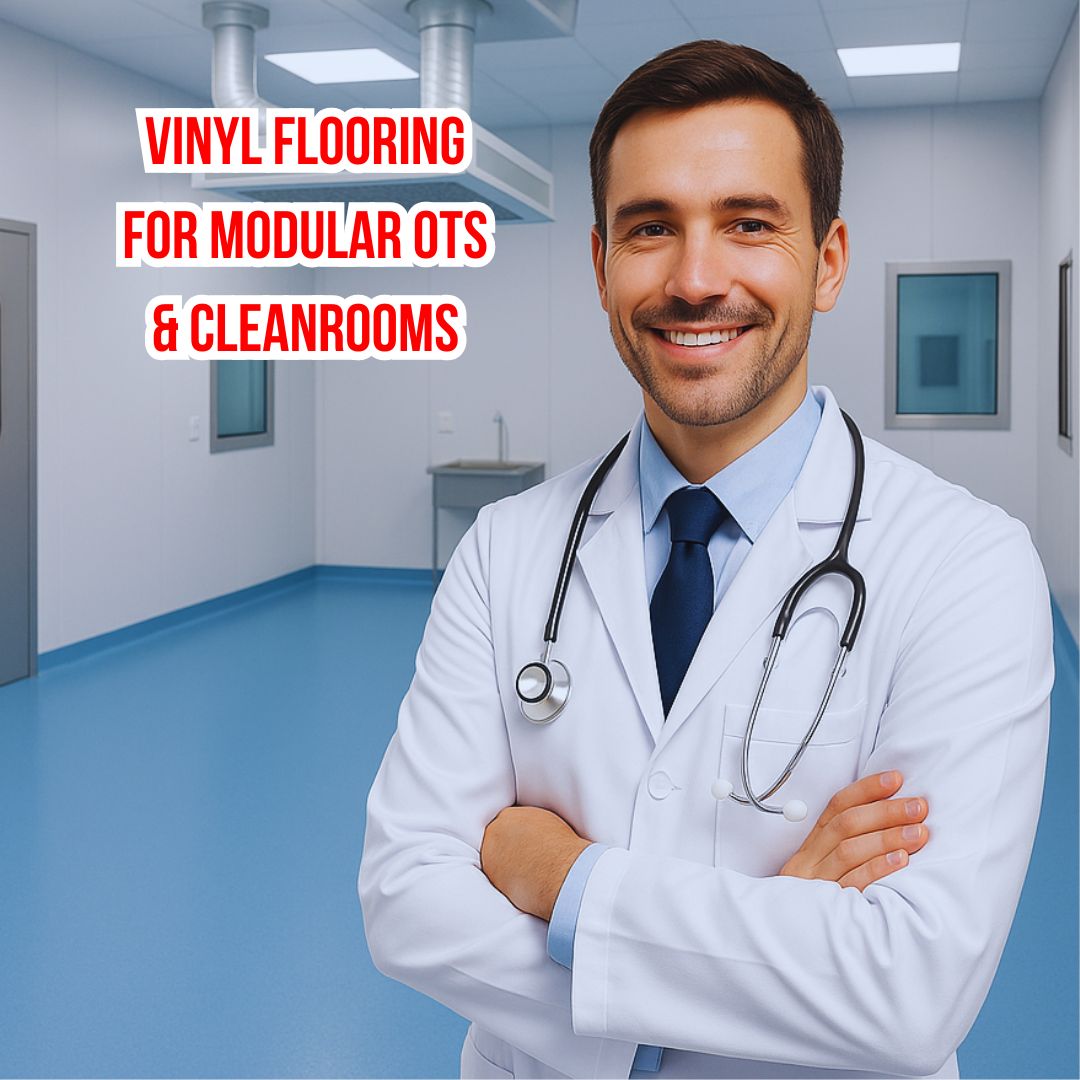
Where does vinyl flooring truly shine in Ahmedabad’s diverse landscape? In hospitals and modular OTs across Ellis Bridge or Paldi, its seamless nature aligns with NABH standards for hygienic, slip-resistant surfaces that prevent infection spread. External link: NABH.
For pharma cleanrooms in Vatva, with Nirma Limited, vinyl meets WHO-GMP requirements for smooth, impervious floors that facilitate easy cleaning and minimize particle accumulation. See WHO-GMP.
In residential settings, like homes in Ambawadi or Jodhpur, vinyl provides a stylish alternative to residential epoxy flooring, handling family traffic with ease. Warehouse managers in Rakhial appreciate its resilience under pallets and footfall.
Electronics units in Kathwada or food processing in Gheekanta benefit from its anti-static and spill-resistant properties. Backed by AUM Industries, we bring technical expertise and end-to-end flooring execution services tailored for Ahmedabad’s industries and homes. Explore more at AUM Industries.
Have you envisioned vinyl in your space, perhaps a bustling real estate development in Sola or a renovation in Maninagar?
Installation and Maintenance Insights
Curious about how vinyl flooring is done? The process involves preparing the subfloor, applying adhesive or clicking planks into place, and sealing edges for longevity. In high-traffic areas, professional installation ensures optimal performance, especially in humid Ahmedabad spots like Khadia or Khamasa.
How long does vinyl flooring last? With quality materials compliant with BIS standards for PVC flooring, it can endure 15-25 years. External link: BIS.
Maintenance is straightforward—regular cleaning prevents buildup. For tips, check our blog on maintaining vinyl floors.
If you’re searching for vinyl flooring near me in Ahmedabad, our team at epoxyvinylflooring.com is ready to assist.
Trends Shaping Vinyl Flooring in 2025
What emerging trends should influence your choice? In 2025, expect bold geometric designs and natural stone-inspired LVT for high-traffic businesses. Sustainability is key, with low-maintenance options gaining traction in eco-conscious projects in Gota or Ranip.
High-variation wood tones and chevron patterns add visual appeal without sacrificing durability. For cleanroom turnkey contractors in Nikol, anti-microbial vinyl aligns with modern demands.
Converting Insights into Action
As you’ve reasoned through vinyl’s benefits, perhaps it’s time to evaluate your space. For subtle guidance, explore our about page or blog on maintaining epoxy floors for complementary ideas.
FAQs on Vinyl Flooring for High-Traffic Areas
- What is the difference between sheet vinyl flooring and vinyl flooring tiles? Sheet vinyl offers seamless coverage for large areas, while tiles provide easy replacement—ideal for spot repairs in high-traffic zones.
- Is vinyl flooring suitable for pharma cleanrooms? Yes, when compliant with WHO-GMP, it provides smooth, cleanable surfaces resistant to contaminants.
- How does vinyl flooring cost compare to epoxy in Ahmedabad? Both range from ₹150–₹300 per sq. ft., but vinyl often installs faster, reducing overall expenses in local projects.
- Can vinyl flooring handle heavy industrial traffic in areas like Changodar? Absolutely, with thick wear layers, it’s durable for pharma facilities, though epoxy might suit extreme chemical exposure better.
- What maintenance is needed for vinyl in high-traffic homes? Regular sweeping and occasional mopping suffice; avoid harsh chemicals to preserve the surface.
- Where can I find vinyl flooring near me in Ahmedabad’s neighborhoods like Shahpur or Usmanpura? Local providers like us at epoxyvinylflooring.com serve these areas with tailored solutions.
- Does vinyl meet BIS standards for residential use? Yes, quality vinyl adheres to BIS guidelines for safety and durability in homes and beyond.
Ready to transform your high-traffic space with durable vinyl flooring? Contact us today at epoxyvinylflooring.com for a free consultation. Email: amit@aumindustriesmfg.com | Phone/WhatsApp: +91-9274313580 | Address: World Trade Tower, A-617, Sarkhej-Gandhinagar Highway, Makarba, Ahmedabad, Gujarat 380051. Visit our contact page or FAQs for more. Let’s discuss how we can tailor a solution for you.